Who we are
Francesco Lollobrigida
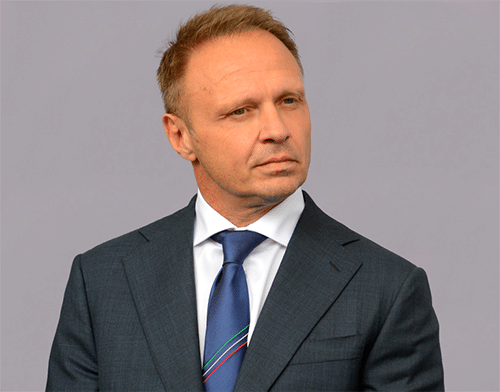
Francesco Lollobrigida (Tivoli, 1972) has served as Italy’s Minister of Agriculture, Food Sovereignty and Forestry since 22 October 2022.
After graduating from a classical high school, he earned a degree in Law from the Università degli Studi Niccolò Cusano. He began his political engagement in 1996, holding positions within the Youth Front of the Province of Rome, serving as regional CO.BA.R. Lazio representative during his military service in the Air Force, and acting as municipal councillor in Subiaco until 2000. During the same period, he assumed roles in the youth movements Azione Studentesca and Azione Giovani, as well as in the National Assembly of Alleanza Nazionale.
He served as provincial councillor of the Province of Rome (1998), Councillor for Sport, Culture and Tourism of the Municipality of Ardea (2005), regional councillor of Lazio (2006), and Regional Minister for Mobility and Local Public Transport (2010). In 2012, he was among the founders of Fratelli d’Italia, serving as National Head of Organization from 2013 to 2018. In 2018, he was elected to the Chamber of Deputies in the Lazio 2 constituency and subsequently became parliamentary group leader in the Chamber.
In 2025, he carried out several significant institutional initiatives: in September he participated in the Africa Food Systems Forum (AFSF 2025) in Senegal, strengthening agricultural cooperation with African countries; in July he visited Malta to promote the candidacy of Italian cuisine as UNESCO Intangible Cultural Heritage; and in December he received the Qualivita Award 2025 for his commitment to enhancing Geographical Indications and the quality of Italian agri-food production.
He also presented the “Coltivaitalia” programme, linked to the national budget law—a three-year plan (2026–2028) worth approximately one billion euros aimed at strengthening productive autonomy and supporting strategic supply chains. At the EU Agriculture and Fisheries Council of 22 September 2025, he addressed the proposed reform of the Common Agricultural Policy, highlighting the potential risks to national food sovereignty.
Last updated:
16 February 2026