23 August 2026
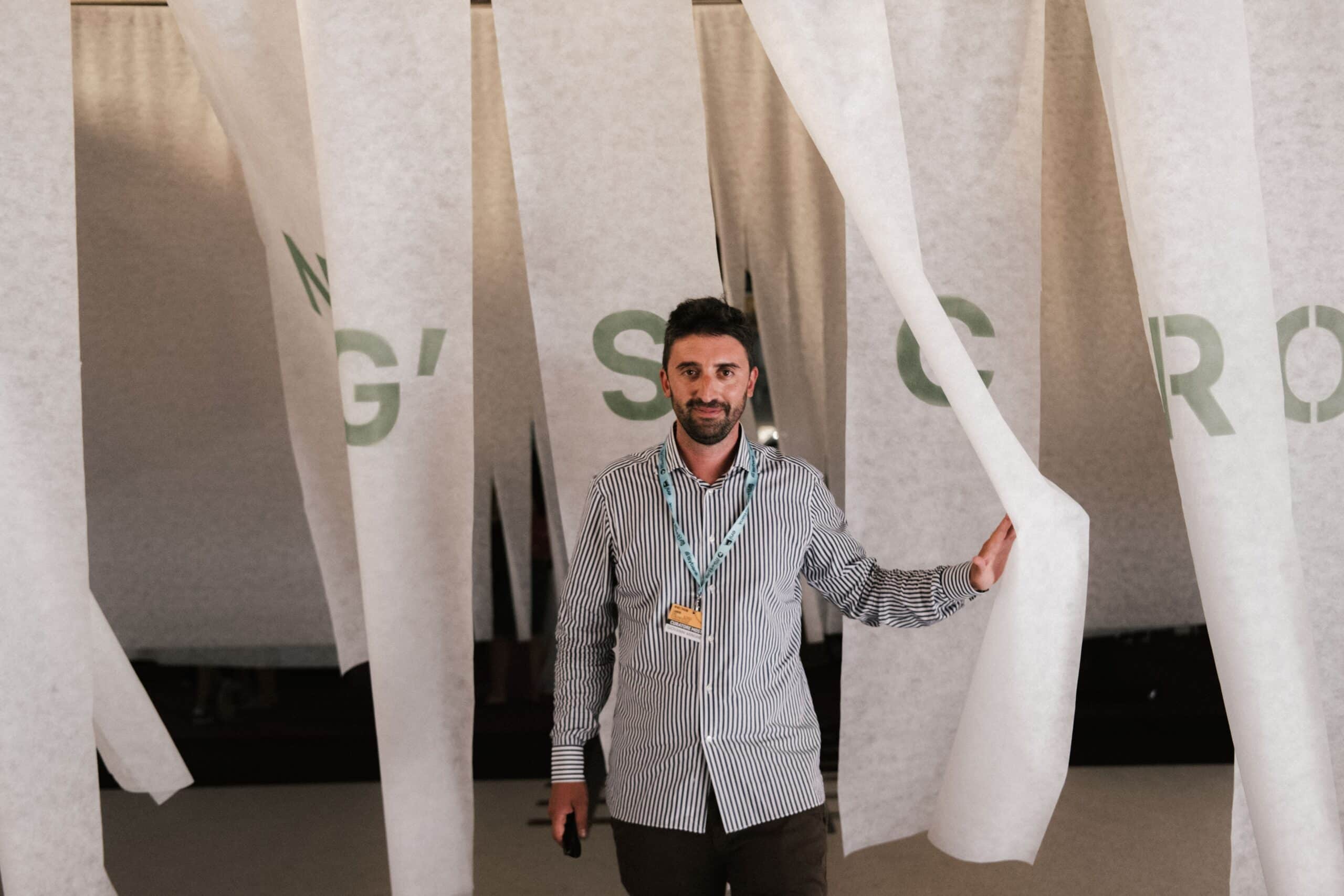
«If there ever was a degree in Harry Potterism, maybe I’d get close to it». Giovanni Minghetti is 36, he teaches religion in middle and highschool, for twentyfive years he has been reading and re-reading the pages written by J.K. Rowling.
However, for the last six or seven years he hasn’t stopped at reading them: he studies them, delves into them, tries to grasp their deeper meaning and the reason why they still speak so strongly to his generation, to those born between the Eighties and Nineties.
Last June, almost by accident, his research crossed paths with the Meeting. From there an ambitious idea was born: turning this literary saga into a great exhibition for this year’s edition, titled «He will have a great power unknown to him. Staying with Harry until the end».
For Giovanni, a longtime Meeting attendee, who previously volunteered as an exhibition guide for the showcases on Italian Constitution and Tolkien, putting himself out there to create this new project was a natural step, yet one full of discoveries. «The importance of the Meeting is to go and search for those things that have something to tell, the stories, the books, those events that have something to say. And Harry Potter seemed one of them.»
Working on the exhibition to him means exercising humility: nullifying everything he thought he knew, revisiting the text afresh alongside dozens of collaborators.»
But why bring Hogwarts’ magic to the Meeting? Moreover, what does it have to do with the tragedies of our time? According to Giovanni, the answer is radical. «I sincerely hope people will understand that Harry Potter is related to the war in the Middle East, that it is actually related to all those heavy themes we have been facing». Everything revolves around the main theme of this year’s Meeting and to the title of the exhibition itself.
Center of the saga is a prophecy of an unknown power, this power being love. «Dumbledore says to Harry: look, you possess this power that is love. Harry was tempted to say: “big deal”».
It’s the same cinic reaction that nowadays we often have: «We tell ourselves that behind the war in Ukraine, the war in the Middle-East, the wars in Africa… there’s this same love. Everybody wonders about this“big deal”, which we deeply explore during the exhibition, we try to figure out why, at one point, Harry convinces himself that this love isn’t a rip-off.»
So, when asked why supporting the Meeting financially is fundamental, Giovanni’s answer is as direct as loving of his project: «Why support the Meeting? To built our exhibition! » he laughs, yet with absolute conviction.
Behind this remark hides the great wish of someone who has been donating his time and energy to create something beautiful for all to enjoy. All in all, supporting the Meeting signifies exactly this: to allow suchintuitions to be born, to develop into a complete artwork, to travel and keep on educating the heart of those who meet them.