January 2025

Contribution by Letizia Bardazzi, President of the Italian Association of Cultural Centers
In 1984, one year after the establishment of the Italian Association of Cultural Centers (AIC), Onorato Grassi, its first president, described the utility of our network as a tool to strengthen the bond of friendship and collaboration among the first 50 cultural centers formed in Italy in the early 1980s. This network was designed to encourage a shared cultural direction, foster the presence of high-level speakers, both national and international, and support initiatives so that faith could influence life through a new culture. A fully conscious faith, in fact, inevitably impacts culture, suggesting a new way of approaching life and history.
Over the past forty years, AIC has been active throughout Italy with more than 180 cultural centers, expressing its vitality through various forms of cultural activity and contemporary languages so that Don Giussani’s charism can reach new people and environments, speaking to today’s world.
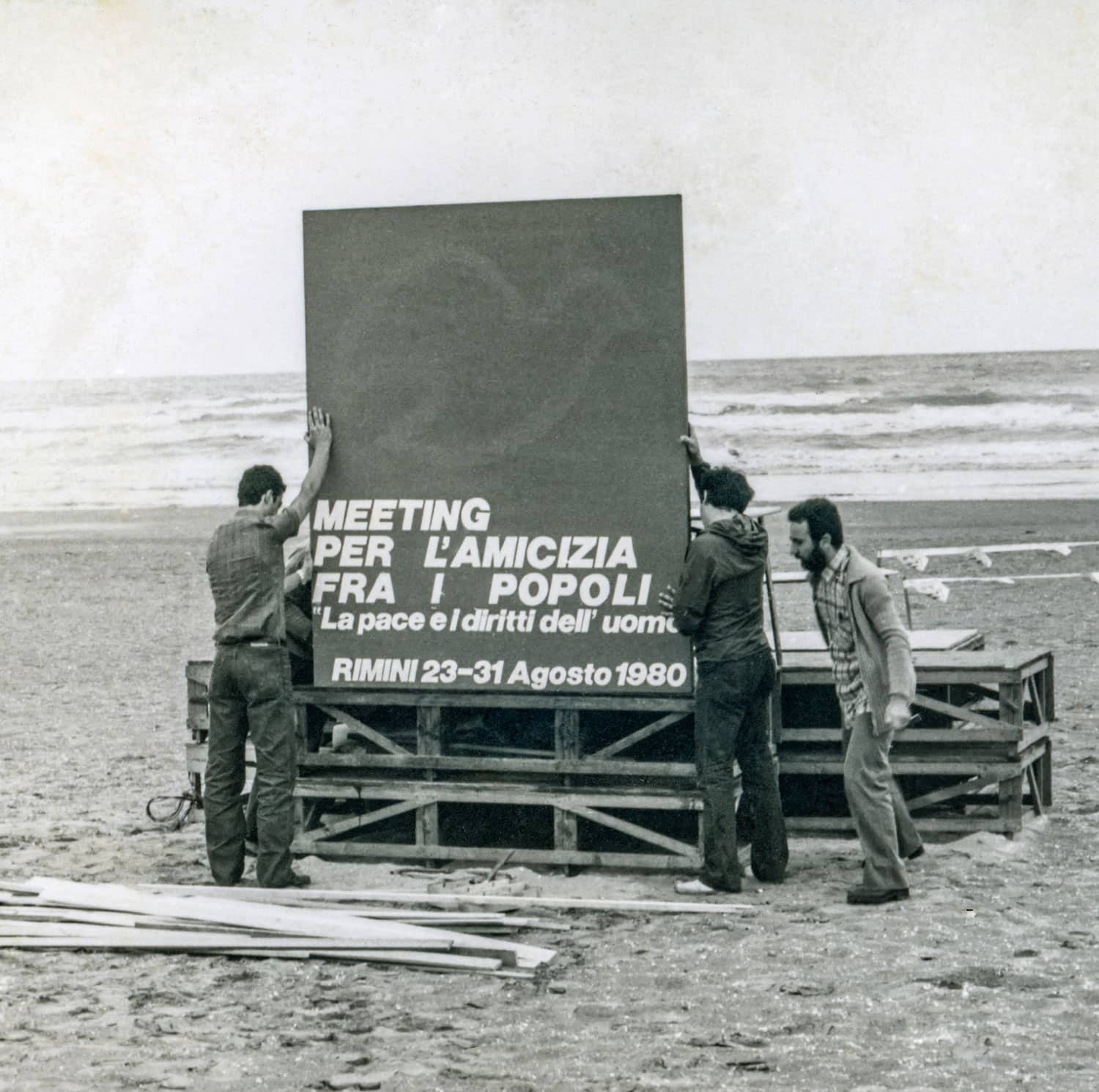
The Rimini Meeting is our first home: a place from which we draw inspiration and to which we contribute throughout the year. There is a foundational bond between AIC and the Meeting, a shared root originating from the same source: the encounter with Christianity. The cultural centers, as repositories of life spread across Italy, grow in connection with the Meeting, embracing its annual theme and interpreting it by suggesting speakers, topics, and in-depth discussions. In particular, the itinerant exhibitions of the Meeting animate a significant part of our programming, ensuring continuity and visibility for the scientific exploration the Meeting offers. This bond represents a vital reciprocity between AIC and the Meeting.
AIC also contributes to the Meeting through book presentations and dialogues with authors or curators—initiatives that, over the past five editions, have given life to the BookCorner, a series of podcasts recorded live and shared on major platforms. Through the works and new literary offerings presented, along with many exceptional guests, we heed Pope Francis’s call in his August 4th letter on the role of literature in personal growth. In the letter, the Pope invites us to discover the spiritual power of literature as a means to see through others' eyes and hear the voice of the other—an experience that challenges us and leads to the heart of human culture.
The Meeting teaches us a cultural impulse and a way of understanding culture as originality expressed through a passion for humanity. It is in engaging with the culture of our time that we undertake the exercise of judgment, understood as a positive process that begins with listening, encountering, proximity, and empathy. This path provokes a crisis (krisis), granting events and experiences a new and truer meaning.
This year, in particular, we wish to fully embrace the theme of the 2025 Meeting, "In the Deserted Places, We Will Build with New Bricks," delving into the novelty that the Christian encounter has introduced into our lives. This theme invites us to concretely verify it through construction, understood as both a personal and collective task ("a task for each," as Eliot’s verse suggests), developing culture in the deserted places and situations of our time. Contemporary society, with its problems and challenges, calls us to cultural engagement capable of addressing the critical crossroads of this third millennium, so full of enmity and pain.